Single Zone Wine Cooler Buyer's Guide: What to Know

Affiliate disclosure: Some links on this page are affiliate links. If you buy through them we earn a small commission at no extra cost to you. Recommendations are research-driven; we don't claim personal use of every product reviewed. Product prices and availability are accurate as of the date published and are subject to change. Always check Amazon for current pricing before purchasing. Learn more.
Quick Picks
Yeego 15 Inch Wine Fridge, 33 Bottle Wine Cooler with Glass Door
Glass door allows viewing wine collection without opening fridge
Buy on AmazonWine Enthusiast 32-Bottle Dual Zone MAX Compressor Wine Cooler – Freestanding Mini Fridge with Digital Touchscreen, LED
Dual zone temperature control allows simultaneous storage of reds and whites
Buy on AmazonIvation 28 Bottle Compressor Wine Cooler Refrigerator w/Lock
28-bottle capacity accommodates substantial wine collection storage
Buy on Amazon| Product | Price Range | Top Strength | Key Weakness | Buy |
|---|---|---|---|---|
| Yeego 15 Inch Wine Fridge, 33 Bottle Wine Cooler with Glass Door best overall | $$ | Glass door allows viewing wine collection without opening fridge | Single-zone cooling may limit temperature control for different wine types | Buy on Amazon |
| Wine Enthusiast 32-Bottle Dual Zone MAX Compressor Wine Cooler – Freestanding Mini Fridge with Digital Touchscreen, LED also consider | $$ | Dual zone temperature control allows simultaneous storage of reds and whites | Freestanding mini fridge format limits counter and storage space efficiency | Buy on Amazon |
| Ivation 28 Bottle Compressor Wine Cooler Refrigerator w/Lock also consider | $$ | 28-bottle capacity accommodates substantial wine collection storage | Compressor units typically consume more energy than thermoelectric models | Buy on Amazon |
| Ivation 28 Bottle Compressor Wine Cooler Refrigerator w/Lock also consider | $$ | Compressor cooling provides efficient temperature control for wine storage | Compressor-based units typically louder than thermoelectric cooler alternatives | Buy on Amazon |
| Ivation 12 Bottle Compressor Wine Cooler, Freestanding Fridge w/Lock, Black also consider | $$ | Holds 12 bottles with dedicated compressor cooling technology | Compressor coolers typically noisier than thermoelectric alternatives | Buy on Amazon |
Storing wine at the right temperature isn’t complicated — but getting it consistently right across a full collection requires more than a cool basement or an overcrowded kitchen shelf. A single zone wine cooler holds every bottle at one stable temperature, which suits collectors who focus on one style or plan to serve everything at close to the same point. If you’re building out a dedicated storage setup, the Wine Coolers & Fridges hub covers the full range of cooling approaches worth understanding first.
Single zone cooling works because most collections skew in one direction — predominantly reds, predominantly whites, or a mix held at a compromise cellar temperature around 55°F. The decision that matters most isn’t single zone versus dual zone; it’s matching capacity, compressor type, and footprint to how your collection actually grows.

What to Look For in a Single Zone Wine Cooler
Cooling Technology: Compressor vs. Thermoelectric
The choice between compressor and thermoelectric cooling shapes nearly everything else about how a unit performs. Compressor units — the kind used in standard refrigerators — actively remove heat from the interior and can maintain target temperature even when ambient room temperature climbs. Thermoelectric units rely on the Peltier effect, which is quieter and vibration-free but loses ground as room temperature rises above around 75°F.
For most home environments, compressor cooling is the more reliable long-term choice. Owner reports across multiple purchase periods consistently show that thermoelectric units struggle during summer months in warmer rooms or garages, where the differential between ambient and target temperature exceeds what the system can bridge. If your cooler lives in a climate-controlled kitchen or bar area that stays consistently cool, thermoelectric performance is more predictable. Anywhere else, compressor technology holds the advantage.
Capacity and Collection Size
Manufacturer-stated bottle counts assume standard 750ml Bordeaux-style bottles stored horizontally on flat shelves. In practice, Burgundy-shaped bottles with their wider shoulders and any bottles stored vertically will reduce usable capacity. A unit rated for 28 bottles typically holds 22–24 bottles comfortably in real-world configurations.
The more useful question is where your collection is now and where it will be in two years. Most wine collectors routinely exceed early capacity estimates. Buying one tier up from your current count — if you have 15 bottles today, choosing a 28-bottle unit rather than a 12-bottle unit — is consistently the more practical call. Owner reviews across multiple purchase periods reflect that undersizing a cooler is a far more common regret than oversizing one.
Footprint and Placement Constraints
Single zone coolers range from countertop 12-bottle units to freestanding 33-bottle cabinets. Width matters significantly in kitchens and home bars, where 15 inches is a common cutoff for undercounter clearance. Freestanding units require airflow clearance on the sides and back — typically 2–4 inches — which further affects how the available space calculates in practice.
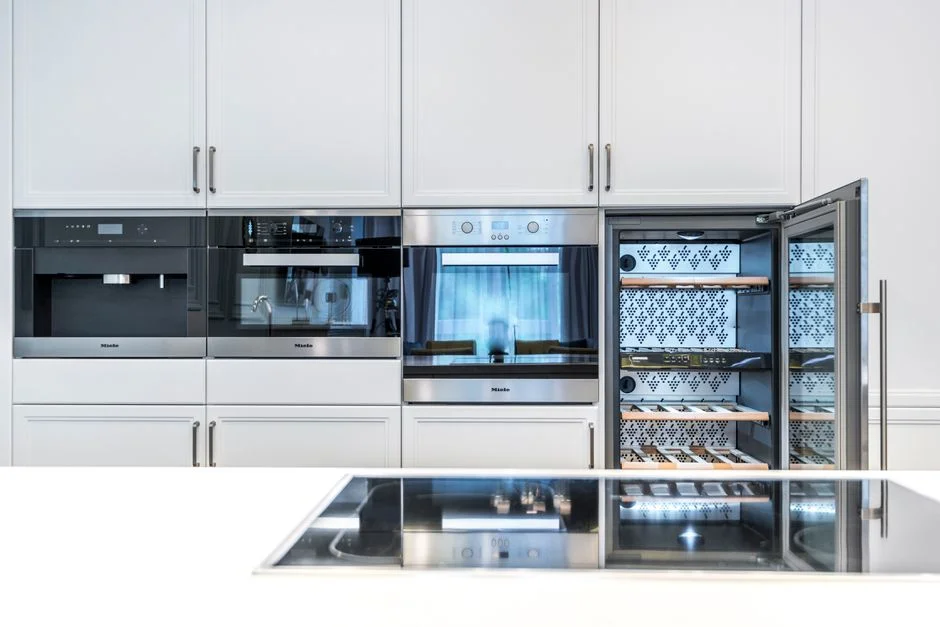
Built-in units are designed to vent from the front and can be recessed into cabinetry. Freestanding units cannot be used in a fully enclosed space without trapping heat and overworking the compressor. Confirming ventilation requirements before purchase prevents the most common installation problem long-term owners report. The full range of size formats available — from countertop to built-in — is worth reviewing in the Wine Coolers & Fridges hub before narrowing to a specific unit.
Security and Access Features
A locking mechanism may seem like a secondary feature, but it becomes a practical consideration in shared households, offices, or any space where bottles might be moved without your knowledge. Compressor-based coolers with locks offer an additional layer of protection for a collection that has grown past casual storage into deliberate curation.
Glass doors add display value but require UV-resistant coating to protect wine from light exposure. Spec sheets for most reputable units will note whether the glass includes UV protection — it’s worth confirming rather than assuming.
Top Picks
Yeego 15 Inch Wine Fridge, 33 Bottle Wine Cooler with Glass Door
The Yeego 15 Inch Wine Fridge addresses one of the more persistent frustrations in home wine storage: finding a unit with genuine capacity that still fits where kitchen or bar real estate is tight. At 15 inches wide and rated for 33 bottles, it occupies the same horizontal footprint as a standard undercounter gap while offering more storage than most comparably sized units on the market.
The glass door is a practical detail as much as an aesthetic one. Being able to assess inventory without opening the cooler — and therefore without disturbing the stable interior temperature — is a real advantage for collections that turn over regularly. Owner consensus notes that the glass allows quick visual inventory without the repeated thermal cycling that comes from frequently opening the door.
Single zone cooling means every bottle is held at the same temperature, which works well for red-focused collections or mixed collections held at a standard cellar temperature. For households that regularly serve both whites and reds at different temperatures, the trade-off is worth naming directly: this unit doesn’t accommodate simultaneous service temperatures. For collectors who store at cellar temp and chill whites briefly before serving, that’s not a meaningful limitation.
Check current price on Amazon.
Wine Enthusiast 32-Bottle Dual Zone MAX Compressor Wine Cooler
The Wine Enthusiast 32-Bottle Dual Zone MAX is the outlier in this lineup — a dual zone unit included specifically for buyers who are weighing single zone against dual zone as part of the same decision. Thirty-two bottles split across two independently controlled temperature zones means reds and whites can be stored simultaneously at their respective ideal temperatures without transferring bottles between units.
Compressor cooling drives both zones reliably, and verified buyers consistently note stable temperature maintenance across both chambers even in rooms that fluctuate seasonally. The digital touchscreen allows precise zone management, though long-term owners occasionally report that touchscreen controls feel less intuitive than a simple dial during quick adjustments.
The honest comparison point: if your collection is split fairly evenly between red and white, or if you frequently serve both in the same session, the dual zone format solves a real problem that a single zone unit simply cannot address. If your collection skews heavily in one direction, the simpler single zone units in this list accomplish the core job without the added mechanical complexity of managing two zones.
Check current price on Amazon.
Ivation 28 Bottle Compressor Wine Cooler Refrigerator w/Lock
Compressor cooling and a locking door are the two features that define the Ivation 28 Bottle Compressor Wine Cooler as the strongest all-around mid-range option in this group. Twenty-eight bottles is a genuinely useful capacity for a collector in the 15–25 bottle range looking to buy ahead of their current count — the extra room matters within a season.
The compressor system is the specification that justifies the unit’s footprint and weight over a thermoelectric alternative. Spec sheets confirm active cooling that maintains target temperature through ambient swings, and long-term owners report consistent performance in kitchens that see seasonal temperature variation. The lock is a security feature that owner reviews indicate gets used more than buyers initially expect — particularly in households with multiple adults or in home office setups.
Check current price on Amazon.
Ivation 28 Bottle Compressor Wine Cooler Refrigerator w/Lock (B08BJBF47W)
The second Ivation 28-bottle variant covers the same core specification — compressor cooling, 28-bottle capacity, locking door — with differences in production generation that affect internal racking configuration and exterior finish. For buyers whose primary concern is capacity and security, both units solve the problem; the choice between them often comes down to current availability and pricing.
Owner reviews across both variants note compressor noise as the consistent trade-off to weigh. Compressor units are audibly louder than thermoelectric alternatives — typically described in reviews as a low hum rather than a disruptive sound, but present. In open-plan kitchens or quiet home offices, this is worth factoring before purchase rather than discovering after delivery.
Check current price on Amazon.
Ivation 12 Bottle Compressor Wine Cooler, Freestanding Fridge w/Lock, Black
Twelve bottles is genuinely small for a dedicated wine cooler — but the Ivation 12 Bottle Compressor Wine Cooler makes a specific case for a specific situation. A home office, a studio apartment, a bar cart alcove, or a secondary chilling station near a dining area: contexts where portability and footprint matter more than total storage capacity, and where consistent temperature control is still the priority.
The compressor system is the specification that separates this unit from thermoelectric 12-bottle alternatives. Even at this capacity, active compressor cooling maintains target temperature more reliably in variable ambient conditions. The locking door and freestanding format give it flexibility that a countertop unit without a lock doesn’t offer. Owner consensus positions this as the right answer for a specific secondary use case — not a starter unit that collectors will quickly outgrow into frustration, but a dedicated smaller station that solves a placement problem the larger units in this list can’t address.
Check current price on Amazon.
Buying Guide
Single Zone vs. Dual Zone: The Right Starting Point
The single zone versus dual zone question comes up early in most wine cooler searches, and the answer is more straightforward than the marketing language suggests. Single zone units hold every bottle at one temperature. Dual zone units maintain two independently controlled chambers.
Single zone cooling is the right choice for collectors who store predominantly one style — reds cellar-stored at 55–58°F, whites at a slightly cooler 45–50°F — or who are comfortable storing everything at a compromise cellar temperature and chilling whites briefly before serving. Owner reports consistently show that collectors with mixed collections who do this rarely find single zone limiting in practice.
Dual zone makes sense when your collection is split roughly evenly and you serve both styles in the same session without time to pre-chill. That’s a more specific use case than the marketing suggests — and it comes with more mechanical complexity and a higher price point.
Compressor Noise: What to Actually Expect
Compressor wine coolers produce a low operational hum — the same basic sound as a standard refrigerator, though wine cooler compressors tend to cycle more frequently in variable ambient temperatures. Long-term owners across multiple units in this category describe the sound as noticeable but not disruptive in most settings.
The placement question matters here. A unit running against a shared wall in a quiet bedroom or a still home office registers differently than the same unit in a kitchen alongside other appliances. Before purchasing any compressor unit, consider the acoustic context of the intended installation space. Thermoelectric units are essentially silent, which is the one genuine advantage they hold over compressor alternatives regardless of capacity.
Capacity Planning: Buying Ahead
The single most consistent regret owner reviews surface across wine cooler categories is buying too small. Collections grow faster than buyers anticipate — gifted bottles, case purchases, seasonal accumulation — and a unit that fits the current collection comfortably often feels tight within a year.
The practical rule: add 30–40% to your current bottle count and match that to a unit’s real-world capacity (which runs 15–20% below the manufacturer’s stated maximum due to bottle shape variation). Exploring the full category of wine cooler options before committing to a capacity tier helps confirm whether the format you’re considering will actually serve where your collection is heading, not just where it is today.
Locking Mechanisms: More Useful Than They Appear
A locking door on a wine cooler reads like a premium feature that serious collectors don’t actually need. Owner experience suggests otherwise. Households with teenagers, shared living arrangements, home offices where clients or colleagues have access, and rental properties all generate consistent use cases for the lock feature that buyers initially dismissed.
Beyond security, locks also reduce the casual door-opening that disrupts temperature stability. Every door opening introduces ambient air into the cooler and forces the compressor to work harder to return to target temperature. A light deterrent to unnecessary access is a secondary benefit that several long-term owners note in reviews.
Freestanding Format and Ventilation Requirements
Every freestanding cooler in this lineup requires clearance around the unit for heat dissipation — typically 2–4 inches on the sides and back. Ignoring this is the most common installation error long-term owners report, and it shortens compressor life by forcing the unit to work against its own trapped heat.
If the intended placement is a tight cabinet opening or a fully enclosed alcove, a built-in front-venting unit is the correct format — not a freestanding unit with clearance requirements shaved down. Confirming ventilation specs against the actual installation space before ordering avoids the most avoidable return in this category.
Frequently Asked Questions
What temperature should a single zone wine cooler be set to?
Most wine storage guidelines recommend 55°F as the standard cellar temperature for mixed collections — a point where both reds and whites store well long-term even if neither is at immediate service temperature. Wine Spectator and Decanter both cite this range as the practical baseline for collections that won’t be served immediately. Whites benefit from brief additional chilling before serving; reds can be pulled 15–20 minutes before pouring.
How many bottles does a 28-bottle wine cooler actually hold?
Manufacturer-stated capacities assume standard 750ml Bordeaux bottles stored horizontally on flat shelves. Real-world capacity runs 15–20% lower when you account for Burgundy-style bottles with wider shoulders, any bottles stored vertically, or shelves that don’t accommodate every bottle position evenly. The Ivation 28 Bottle Compressor Wine Cooler comfortably holds 22–24 bottles in typical mixed-collection configurations.
Is a compressor wine cooler significantly louder than a thermoelectric model?
Compressor units produce a low operational hum — audible but not typically disruptive in kitchen or bar settings. Thermoelectric units are nearly silent. The trade-off is performance: compressor cooling maintains target temperature reliably across ambient fluctuations, while thermoelectric units lose effectiveness when room temperature climbs. For most placement environments, the acoustic difference is minor relative to the reliability advantage compressor cooling provides.
Can I use a freestanding wine cooler in an enclosed cabinet space?
Freestanding units vent heat from the sides and back and require 2–4 inches of clearance to operate correctly. Installing one in a fully enclosed cabinet traps heat, forces the compressor to overwork, and shortens the unit’s lifespan. If the intended space is enclosed, the correct choice is a front-venting built-in unit. Confirming the ventilation requirements in the product spec sheet before purchase prevents the most common installation regret in this category.
Does the single zone Wine Enthusiast 32-bottle cooler, which has dual zones, make sense for a red-focused collection?
The Wine Enthusiast 32-Bottle Dual Zone MAX is worth considering for mixed collections but adds complexity and cost that a red-focused collector doesn’t need. If 90% of your bottles are reds stored at a consistent cellar temperature, a single zone unit accomplishes the same job with fewer moving parts. The dual zone format earns its price premium specifically when both zones are actively used for different wine styles stored simultaneously.
Where to Buy
Yeego 15 Inch Wine Fridge, 33 Bottle Wine Cooler with Glass DoorSee Yeego 15 Inch Wine Fridge, 33 Bottle … on Amazon