Wine Aerator vs Decanter: Speed and Style Compared

Affiliate disclosure: Some links on this page are affiliate links. If you buy through them we earn a small commission at no extra cost to you. Recommendations are research-driven; we don't claim personal use of every product reviewed. Product prices and availability are accurate as of the date published and are subject to change. Always check Amazon for current pricing before purchasing. Learn more.
The choice between a standalone aerator and a decanter-aerator hybrid shapes how wine gets from bottle to glass — and the difference in experience can be significant. Aerators work fast, pulling air through wine as you pour, so a glass is ready in seconds. Traditional decanters work slowly, relying on surface area and time. Both categories have evolved, and many products now blur the line. Explore more gear comparisons in the Comparisons hub.
Vinturi’s pour-through aerator and the lead-free crystal handheld decanter-aerator represent the two dominant approaches at the mid-range price point. This breakdown covers spec differences, construction trade-offs, and owner-reported behavior — so the right pick becomes clear before you buy.
Quick Verdict
The Vinturi Wine Aerator Pourer and Decanter for Red Wines is the stronger choice for most buyers. It’s fast, proven, and works glass-by-glass or bottle-to-decanter without committing to a fragile crystal vessel. The patented airflow design is consistently praised in owner forums as delivering noticeable aeration improvement with minimal effort — no careful pour angle required.
The Wine Decanter Built-in Aerator Pourer is worth considering if presentation matters as much as function. The lead-free crystal construction looks better on a table than a plastic aerator stem, and the handheld carafe format suits sit-down dinner situations where you’re pouring at the table rather than at a bar setup.
Both products are mid-range tools that aerate during the pour. Neither replaces a true wide-bodied decanter for bottles that genuinely need 30-plus minutes of rest time. That’s the shared limitation worth knowing upfront.
Specs at a Glance
| Spec | Vinturi Wine Aerator Pourer | Wine Decanter Built-in Aerator Pourer |
|---|---|---|
| Primary function | Pour-through aerator | Handheld decanter with built-in aerator |
| Construction material | BPA-free acrylic / resin | 100% lead-free crystal glass |
| Aeration method | Patented Venturi-effect airflow | Built-in aerator channel in glass carafe |
| Use mode | By-the-glass or bottle decant | By-the-bottle, handheld pour |
| Fragility | Low — drop-resistant | Higher — crystal glass |
| Dishwasher safe | Check manufacturer guidance | Hand-wash recommended |
| Price tier | Mid-range | Mid-range |
| Best for | Fast single-glass aeration | Table-side presentation with aeration |
Vinturi Wine Aerator Pourer and Decanter for Red Wines — Strengths and Trade-offs
The Vinturi aerator’s core engineering claim is a Venturi-effect design: as wine passes through a narrow internal channel, air is drawn in and mixed at high velocity without requiring any slow, deliberate pour technique. Spec sheets describe the device as capable of aerating by the glass or by the bottle — meaning it works clipped over a single glass or held over a decanting vessel for a full bottle pass-through. That versatility is the practical differentiator from crystal carafe designs.
Owner consensus is generally positive about the speed claim. Long-term users on wine forums note that the aeration effect is perceptible — particularly on tannic reds like Cabernet Sauvignon — and that the difference is noticeable even on a single glass rather than requiring a decanted bottle. The device draws in air automatically during the pour, so technique variability is less of a factor than with some pour-over aerators.
The construction is intentionally utilitarian. Acrylic and resin aren’t crystal, and the aesthetic reflects that. For buyers who pour into glasses in the kitchen and carry drinks to the table, that’s a reasonable trade. Where the design shows limits is in a full-bottle aeration scenario: owner reports suggest multiple passes can improve results when the goal is thorough decanting rather than quick single-glass prep.
Cleaning is straightforward — the aerator rinses easily and dries fast, which owner threads consistently flag as an advantage over crystal alternatives that demand more careful handling. For regular weeknight use with a variety of reds, the maintenance overhead is low.
Check current price on Amazon.
Wine Decanter Built-in Aerator Pourer — Strengths and Trade-offs
Lead-free crystal construction is the first differentiator here. Crystal glass has a higher refractive index than standard glass, which means it catches light better — the carafe looks more intentional on a table than an acrylic aerator stem. For buyers who care about how a wine service setup reads visually, that’s a real consideration rather than a superficial one.
The built-in aerator channel integrates aeration into the handheld carafe rather than treating it as a separate pour-over step. Owner reviews across purchase periods describe the aeration effect as functional, though the consensus is that the improvement is more subtle than what a dedicated Venturi-design aerator delivers. The trade-off for integrating both functions into a single crystal form is that neither function reaches the peak of its specialized counterpart.
Handling is the most consistently mentioned concern in owner feedback. Crystal requires more deliberate care — hand-washing is strongly recommended, and the glass is more susceptible to chipping at the spout than acrylic equivalents. For buyers who plan to use this piece regularly during dinner parties rather than as daily-use equipment, that handling constraint is manageable. For high-frequency casual use, the fragility overhead is real.
The handheld format is genuinely suited to table-side service: pour directly from the carafe into individual glasses at the table, aerating as you go. That use case doesn’t map onto the Vinturi’s design at all — the Vinturi is a tool you use at the counter, not a vessel you carry to the table.
Check current price on Amazon.
Buying Guide
How Aeration Actually Works — and What That Means for Your Choice
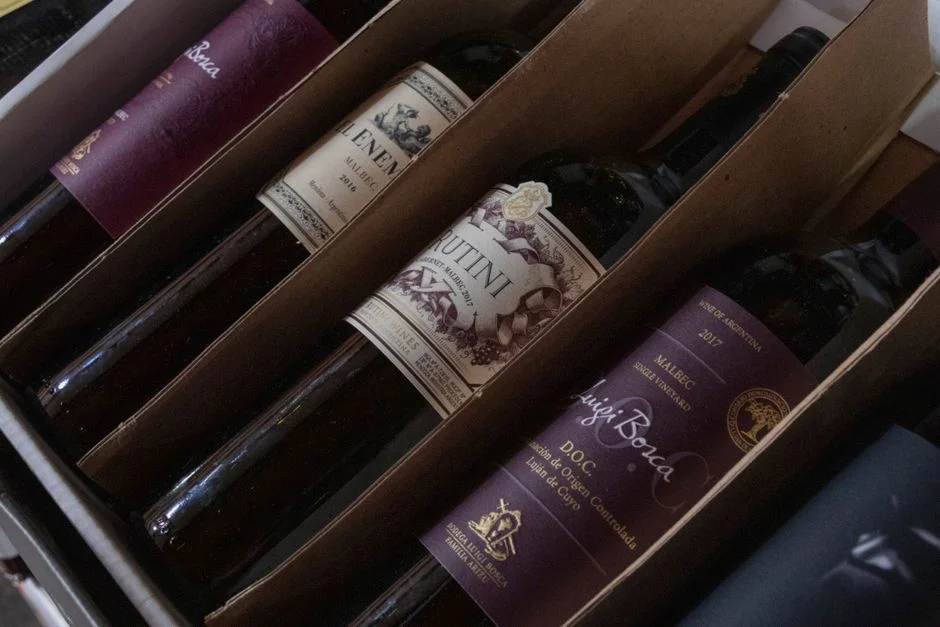
Aeration is oxygen exposure: wine meets air, ethanol volatilizes, tannins soften slightly, and aromatic compounds open up. The question is how much oxygen contact you need and how fast. A Venturi-design aerator like the Vinturi creates turbulent airflow in seconds by drawing air through an internal channel during the pour. A decanter-aerator hybrid creates gentler, sustained contact as wine sits and is poured from a wider-mouthed vessel. Both methods deliver aeration — the difference is speed, intensity, and the serving context they’re optimized for. Buyers comparing these two approaches will find more category context in the Comparisons hub.
Construction Material and Fragility Trade-offs
The Vinturi’s acrylic and resin construction means it survives a counter drop that would chip or shatter a crystal carafe. That’s not a trivial consideration for regular use. Crystal glass, by contrast, has meaningful aesthetic advantages — it’s optically clearer, it holds temperature differently, and it reads as a more deliberate piece of tableware. Manufacturer spec sheets don’t quantify fragility directly, but the category norm is consistent: crystal requires hand-washing and more careful storage. Buyers who plan to use an aerator every night should factor cleaning burden into the decision as seriously as aeration performance.
Single-Glass vs. Bottle-Level Aeration
The Vinturi’s architecture supports both glass-by-glass aeration and full-bottle decanting passes. That flexibility matters when guests want different wines, or when one person at the table prefers unaerated wine. The handheld crystal decanter is a vessel — once wine is in it, everyone at the table drinks from the same aerated batch. For dinner parties with a single shared bottle, the decanter format is a natural fit. For households where preferences vary or where single servings are the norm, the glass-by-glass aerator is more practical.
Who Benefits from the Hybrid Designs
Products like the Areadivino Wine Aerator and Decanter and the Gusto Nostro Crystal Wine Decanter with Aerator Pourer aim to consolidate two tools into one purchase. The appeal is real — fewer items to clean, a simpler counter setup. The limitation, noted consistently by owner reviewers, is that combination designs tend to perform each function at a moderate level rather than excelling at either. Buyers who entertain formally and want dedicated performance from each tool are better served by a standalone aerator plus a separate wide-bodied decanter for bottles that genuinely need extended rest time.
What Red Wine Characteristics Respond Best to Aeration
High-tannin reds — Cabernet Sauvignon, Nebbiolo, young Syrah — show the most perceptible change with aeration. Lighter reds and older wines with more evolved tannins respond less dramatically. Spec sheets and manufacturer guidance universally position pour-through aerators for red wine; most explicitly caution against using them with delicate older bottles where the turbulence can accelerate breakdown of fragile aromatic compounds. Knowing which wines you open most often is a more useful starting point than comparing aerator specs in isolation.
Top Picks
Vinturi Wine Aerator Pourer and Decanter for Red Wines
The Vinturi Wine Aerator Pourer and Decanter for Red Wines is the most straightforward recommendation for buyers who want fast, reliable aeration without fragility concerns. The patented Venturi-effect design draws air into the wine stream automatically — no technique required beyond a normal pour. Owner reports across multiple purchase cohorts consistently describe a noticeable improvement in tannic reds, particularly on first-glass service where there’s no time for traditional decanting.
The construction is utilitarian: acrylic and resin rather than crystal. That keeps the device lightweight and drop-resistant, which matters for regular use. Cleaning is fast — a rinse under running water is sufficient for most sessions, and the design doesn’t trap sediment in the way a full carafe might. For buyers who want to aerate individual glasses for different people, the glass-by-glass use mode is particularly practical.
Where the Vinturi shows limits is in situations that call for a vessel: it’s a tool, not a carafe, so it doesn’t serve the table-side presentation role that a handheld decanter does. For buyers whose primary goal is aeration speed and convenience rather than tableware aesthetics, that’s an acceptable trade.
Check current price on Amazon.
Wine Decanter Built-in Aerator Pourer
The Wine Decanter Built-in Aerator Pourer addresses a different use case: buyers who want an aerating vessel they can carry to the table. The 100% lead-free crystal glass construction is the standout spec — optically clear, elegant, and meaningfully better-looking than acrylic alternatives. For dinner-party use where the decanter sits on the table and guests pour from it throughout a meal, the crystal format is appropriate.
The built-in aerator channel delivers functional aeration during the pour, though owner reviews across purchase periods suggest the effect is subtler than a dedicated Venturi-design aerator. The integration of both functions into a single glass body is a design compromise: neither the aeration intensity nor the decanting capacity reaches the peak of a purpose-built tool in either category.
Handling requirements are the main practical limitation. Hand-washing is strongly recommended, and the crystal construction is susceptible to chipping at the spout with rough handling. For buyers who entertain occasionally and handle stemware carefully, that’s manageable. For daily casual use, the maintenance burden is real.
Check current price on Amazon.
Areadivino Wine Aerator and Decanter
The Areadivino Wine Aerator and Decanter is positioned as a combination product that handles both aeration and decanting functions in a single purchase. The appeal is consolidation: one tool rather than two. Owner reviews describe the product as functional for casual wine service, with the caveat that combining both roles in a single device means neither function is optimized as fully as a dedicated tool would be.
For buyers who are new to aeration and decanting and want a single low-commitment entry point, the combined approach is reasonable. The mid-range price tier reflects the compromise — it’s not a premium aerator and it’s not a premium decanter, but it delivers a usable version of both. Community feedback suggests the aeration effect is mild compared to dedicated Venturi-design devices, which is consistent with the design constraints of a multi-function form factor.
The primary limitation is specialization: dedicated wine enthusiasts who have strong preferences about aeration intensity or who regularly decant bottles that need 30-plus minutes of rest time will find the combination approach limiting. For occasional wine drinkers who don’t want to invest in two separate tools, it’s a serviceable mid-range option.
Check current price on Amazon.
Gusto Nostro Crystal Wine Decanter with Aerator Pourer
The Gusto Nostro Crystal Wine Decanter with Aerator Pourer is the premium-presentation option in this comparison. Hand-blown lead-free crystal glass construction is the defining spec — hand-blown glass has slight variation in wall thickness and shape that distinguishes it visually from machine-made alternatives. For buyers who prioritize aesthetics and gift-giving appeal, that characteristic matters.
The integrated aerator pourer combines the decanting vessel and aeration function in one piece. Manufacturer specs position the product specifically for red wine service, which aligns with the category norm. Owner feedback is limited compared to longer-established products, which is a practical consideration: less owner-consensus data means less certainty about long-term durability and aeration performance under regular use conditions.
Hand-blown glass requires careful handling by definition — the construction method that produces visual appeal is also the one that limits durability tolerance. Buyers who want a showpiece decanter for special occasions will find the aesthetics compelling. Buyers who want a daily-use aerating tool should weigh the handling requirements against the functional convenience of a more durable alternative.
Check current price on Amazon.
Wine Decanter, Red Wine Carafe with Built-in Aerator Pourer
The Wine Decanter, Red Wine Carafe with Built-in Aerator Pourer rounds out the mid-range combination-design category. Hand-blown lead-free crystal glass construction matches the Gusto Nostro’s spec positioning, and the built-in aerator pourer eliminates the need for a separate aerating tool. For buyers who want a single vessel that handles both tasks, the design is coherent.
The unknown-brand limitation is worth naming directly. Established aerator brands like Vinturi carry owner-consensus data spanning years of purchase cohorts — the performance claims are tested against real-world use at scale. A product with limited brand history offers less of that accumulated owner feedback, which makes the performance claims harder to verify against manufacturer spec language alone. That’s not a disqualifying factor, but it’s a relevant data point for cautious buyers.
Long-term owners note that hand-blown crystal requires hand-washing and careful storage — consistent with the construction category. For buyers who want a crystal decanter-aerator combination at a mid-range price and are comfortable with the limited brand history, this is a functional option. For buyers who want proven performance data, the Vinturi or the more established crystal decanter options are lower-risk choices.
Check current price on Amazon.
Which Should You Pick
Buy the Vinturi Wine Aerator Pourer and Decanter for Red Wines if your primary goal is fast, reliable aeration for weeknight drinking. The Venturi-effect design works glass-by-glass without requiring a vessel — it’s the lowest-friction path to noticeably improved tannic reds, and the durable construction means you won’t be handling it carefully every time you use it.
Choose the Wine Decanter Built-in Aerator Pourer if table-side presentation is part of what you’re buying for. Crystal construction reads differently than acrylic at a dinner table, and the handheld carafe format is genuinely suited to serving multiple guests from a shared bottle. The aeration effect is functional, and the aesthetic payoff is real for buyers who entertain.
For buyers who want to explore the full range of options across combination aerator-decanter designs and standalone tools, the Comparisons hub has additional breakdowns organized by use case and price tier.
Frequently Asked Questions
What is the practical difference between a wine aerator and a wine decanter?
A standalone aerator creates turbulent oxygen contact during the pour — the wine is aerated in seconds as it passes through an airflow device. A decanter aerates through extended surface-area exposure over time, typically 15–60 minutes depending on the wine. Combination decanter-aerator products attempt to deliver both effects in a single vessel, with the trade-off that neither function is as intensive as a purpose-built tool designed to do one job only.
Does the Vinturi work on all red wines, or are there types that respond better?
High-tannin, young reds — Cabernet Sauvignon, Barolo, young Côtes du Rhône — show the most perceptible improvement with Venturi-style aeration. More delicate reds, lighter-bodied wines, and older bottles with evolved tannins respond less dramatically and are sometimes better served without aggressive aeration. Manufacturer guidance for the Vinturi Wine Aerator Pourer and Decanter for Red Wines positions it specifically for red wine service rather than white or rosé.
Is the lead-free crystal label on the decanter products a meaningful safety distinction?
Yes. Traditional lead crystal uses lead oxide to increase refractivity and weight, and long-term storage of wine in lead crystal decanters carries established health concerns. Products labeled 100% lead-free crystal — including the Wine Decanter Built-in Aerator Pourer — use alternative compounds like barium oxide or titanium oxide to achieve similar optical clarity without the health risk. For storing wine or serving frequently, lead-free construction is the appropriate specification.
Can I use a pour-through aerator if I want to decant a full bottle rather than one glass at a time?
The Vinturi is designed to support both modes — glass-by-glass and full-bottle decanting passes. For a full bottle, you pour the entire bottle through the aerator into a separate decanting vessel, which adds turbulent aeration during the pour but doesn’t provide the extended surface-area rest time a traditional wide-bodied decanter delivers. Owner reports suggest multiple passes increase the aeration effect for bottles that would otherwise benefit from longer rest time.
Which option is better if I’m buying this as a gift rather than for my own regular use?
For gift-giving, the crystal decanter-aerator products — particularly the Gusto Nostro Crystal Wine Decanter with Aerator Pourer — present better as a physical gift. Hand-blown crystal construction has visible quality signals that read well when unwrapped. The Vinturi is a more practical daily-use tool, but the acrylic construction doesn’t carry the same visual weight as crystal glass for a gifting context.
Where to Buy
Vinturi Wine Aerator Pourer and Decanter for Red Wines Patented Design Perfectly Aerates Wines By The Glass or BottleSee Vinturi Wine Aerator Pourer and Decan… on Amazon